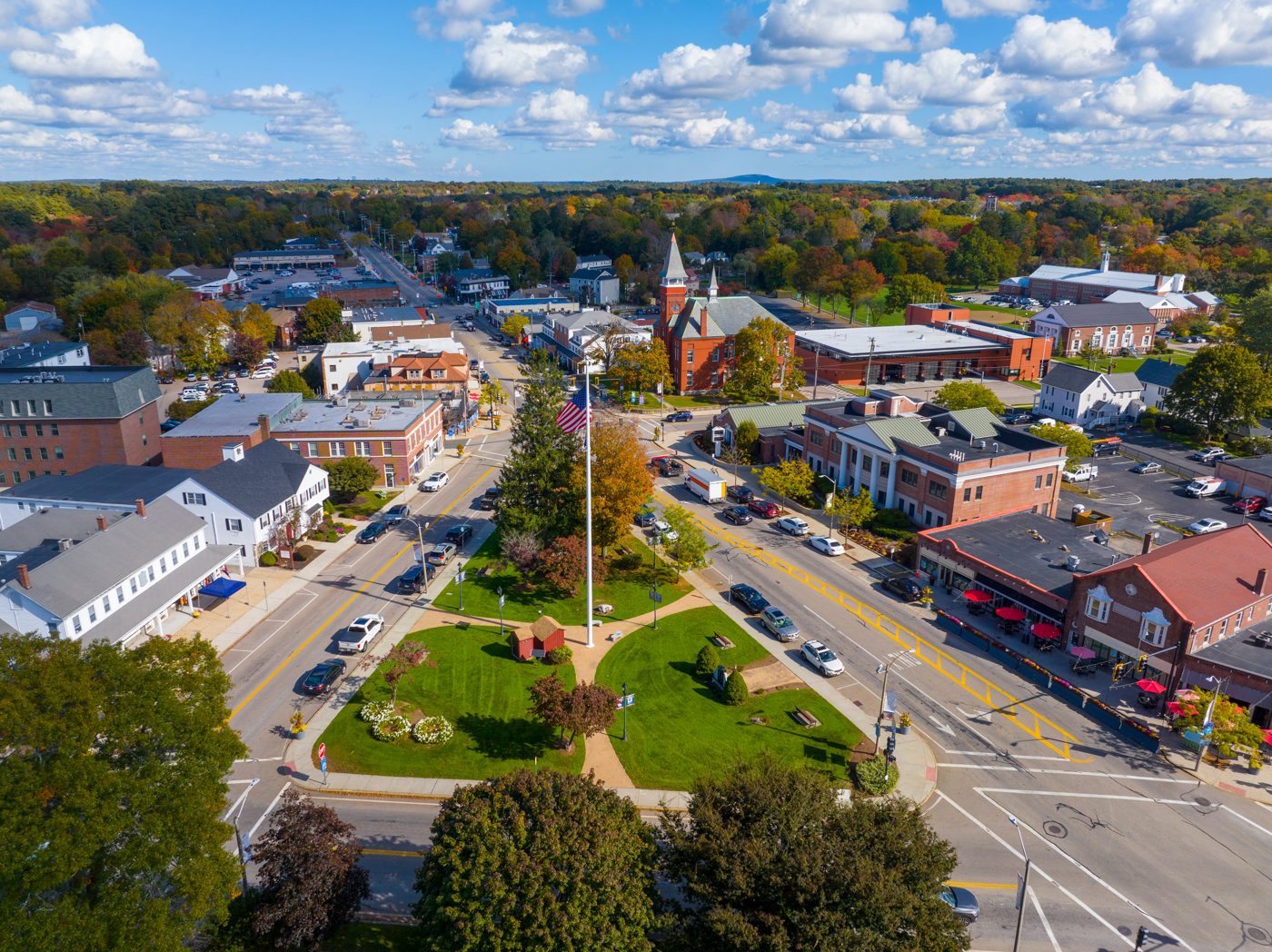
In the district services business, there’s a phrase we hear all the time: Clean and Safe.
On the surface, the goal seems pretty straightforward. Keep the district clean. Keep it safe. Create an environment where businesses, residents, employees, and visitors feel comfortable.
But after working with districts and their leadership teams, one thing has become very clear to me:
No two districts are alike—and their Clean and Safe programs shouldn’t be either.
Every district has its own personality, challenges, priorities, stakeholders, geography, and expectations. Even two districts located in the same city can require completely different approaches.
That’s why I believe one of the biggest mistakes a service provider can make is walking into every opportunity with the same program already designed.
The Problem with the Cookie-Cutter Approach
Too many companies have a standard service model.
They change the district name on the proposal, adjust the staffing numbers, move a few hours around, and essentially pitch the same program they pitched somewhere else.
It may be easier for the service provider, but that doesn’t necessarily make it the right program for the district.
A downtown entertainment district with a heavy night-time population doesn’t have the same needs as a business district where activity peaks during the workday. A district with significant quality-of-life concerns may prioritize ambassador visibility and hospitality differently than a district focused heavily on sanitation, beautification, or outreach.
Even the definition of “clean” can vary.
For one Executive Director, removing litter quickly may be the highest priority. For another, it could be graffiti response, pressure washing, illegal dumping, or maintaining street furniture and public spaces.
The same is true for “safe.”
Does the district want ambassadors to provide a highly visible presence? Is hospitality the priority? Business check-ins? Outreach? Coordination with law enforcement? Addressing quality-of-life issues? Helping visitors navigate the district?
There isn't one correct answer.
There is a correct answer for that particular district.
A Good RFP Response Should Start with Questions
When an RFP is issued, service providers naturally want to demonstrate what they can do.
But before explaining what we can do, I think we need to understand what the district wants to accomplish.
That means asking questions.
The question period in an RFP shouldn't simply be used to clarify insurance requirements, contract terms, staffing quantities, or administrative details. It's an opportunity to better understand the district's vision for the program.
What does success look like to the Executive Director and Board?
What are the district's biggest pain points today?
Which issues generate the most complaints from stakeholders?
Where does the current program fall short?
Are there specific areas or times of day that require greater attention?
How important are hospitality and stakeholder engagement compared with traditional cleaning and safety functions?
What level of reporting and data does leadership expect?
What would make the Executive Director say, six months into the contract, “This program is working”?
The answers to those questions should influence the program being proposed.
If they don't, then we're not really designing a solution. We're selling a product.
Expectations Have to Come Before Operations
One of the most important conversations between a district and its service provider should happen before the first ambassador ever puts on a uniform.
What exactly are we trying to accomplish?
“Keep the district clean and safe” isn't specific enough.
Expectations need to be clearly defined because those expectations should drive everything that follows: staffing levels, deployment schedules, training, supervision, equipment, reporting, KPIs, technology, and management structure.
If rapid graffiti removal is a priority, the program needs to be built around that expectation.
If visible ambassador presence during peak pedestrian hours is critical, deployment needs to reflect it.
If stakeholder engagement matters, ambassadors and supervisors need to understand that interacting with businesses isn't something they do when they have extra time—it's part of the job.
And if the Executive Director wants data that demonstrates what is happening on the street, reporting can't simply be an afterthought.
Operations should follow expectations, not the other way around.
The Executive Director's Priorities Matter
Executive Directors know their districts.
They hear from property owners, business owners, residents, board members, city officials, and visitors. They know which problems continually come up and which issues can quickly become major concerns.
And every Executive Director brings a slightly different perspective to what makes a Clean and Safe program successful.
That's not a complication. That's valuable information.
A good service provider should listen to those priorities and design around them.
Sometimes that means changing deployment strategies. Sometimes it means adjusting staffing profiles or training. Sometimes it means putting more emphasis on sanitation, hospitality, outreach, stakeholder engagement, technology, or reporting.
The goal shouldn't be to convince an Executive Director that our standard model is the right model.
The goal should be to understand their model of success and determine how we can build a program capable of delivering it.
Building a Clean and Safe Program for a Newly Formed BID
This becomes even more important when responding to an RFP for a newly formed Business Improvement District.
An established BID usually has history to work from. There may be years of service data, stakeholder feedback, previous deployment plans, established expectations, and a clear understanding of where resources are needed most.
A new BID doesn't have that history.
The Board may know what it wants to accomplish, but until the program is actually operating on the street, no one knows exactly what the right deployment model will look like.
That's why I believe a proposal for a new BID should be viewed differently. The service provider isn't simply proposing a finished program. We're proposing a starting point and a process for building the right program together.
The newly formed Board brings an understanding of the community, the businesses, the properties, and the reasons the BID was created in the first place. The service provider brings operational experience and knowledge gained from running Clean and Safe programs in other districts.
Both perspectives are essential.
And once service begins, both sides need to be willing to learn.
Some things will work exactly as expected.
Some won't.
A deployment schedule that looked perfect on paper may need to change once actual pedestrian patterns become clear. A particular service may turn out to require more resources than anticipated. Certain blocks may need more attention than others. The Board may discover that stakeholders value one aspect of the program more than originally expected. The service provider may identify issues on the street that weren't apparent during the planning process.
That's not a sign that the program was poorly designed. It's part of building a new program.
The mistake would be recognizing those things and failing to adjust.
The First Year Should Be a Conversation
Especially in a newly formed BID, communication between the service provider and district leadership has to be constant.
What are we seeing on the street?
What is the Board hearing from stakeholders?
What's working?
What isn't?
Are resources deployed at the right times?
Are we concentrating on the right locations?
Are there services we should be doing more frequently? Less frequently?
Are the original priorities still the right priorities now that the program is operating?
These conversations shouldn't be viewed as criticism from one side or the other. They are part of the process of refining the program.
The service provider has a responsibility to be candid about what its managers and ambassadors are seeing every day. BID leadership has a responsibility to communicate what they're hearing from property owners, businesses, residents, and other stakeholders.
Then both sides have to be willing to make adjustments.
A successful new BID program isn't created on Day One. It's built over time.
As service data accumulates, stakeholder feedback comes in, patterns become clearer, and the provider and BID leadership learn together, the program becomes more focused and effective.
Eventually, staffing, deployment, service priorities, reporting, and performance expectations begin to settle into a model that fits the district.
That's when a Clean and Safe program really starts to become the district's program, rather than simply a service contract.
Standardize the Foundation, Customize the Program
This doesn't mean everything should be different from district to district.
There are fundamentals that should never change: strong management, effective training, accountability, professional standards, reliable reporting, employee safety, and consistent quality control.
Those are the foundation.
But what gets built on top of that foundation should reflect the district.
At Total District Solutions, I believe the best Clean and Safe programs are partnerships. The service provider brings operational expertise, experience, systems, training, and best practices. The district brings its knowledge of the community, stakeholders, challenges, and priorities.
When those two perspectives come together, you can build something much stronger than a standard service package.
You can build a program specifically designed for the streets it serves.
One District. Different Blocks. Different Needs.
Ultimately, every district wants the same broad outcome.
They want cleaner streets. They want people to feel safe. They want businesses and properties supported. They want visitors to have a positive experience. And they want stakeholders to see value in the program.
But the path to those outcomes isn't the same everywhere.
That's why the first question a Clean and Safe provider asks shouldn't be:
“How do we deliver our program here?”
It should be:
“What does success look like in this district?”
And for a newly formed BID, there's an important follow-up:
“How are we going to work together to figure that out?”
Once those answers are clear, the right program can be designed, tested, adjusted, and strengthened over time.
Because when it comes to Clean and Safe services, consistency in quality matters.
Uniformity in approach doesn't.
Total District Solutions
The Future of Cleaner, Safer Business Districts is Here